Living on the Sonoma Coast can feel like a dream, but it comes with real day-to-day tradeoffs that are easy to overlook if you only visit on a sunny afternoon. If you are thinking about buying, selling, or simply holding onto a coastal home, you need a clear picture of how weather, maintenance, and market value work together. This guide will help you understand what coastal ownership really looks like in Sonoma County and what to watch for before you make your next move. Let’s dive in.
Sonoma Coast Living Year-Round
The Sonoma Coast generally refers to the coastal stretch of Sonoma County that includes places like Bodega, Bodega Bay, Jenner, Timber Cove, and The Sea Ranch. It is a year-round destination, but living there is different from visiting for a weekend.
Compared with inland Sonoma County, the coast is cooler and more changeable. Mornings often begin with maritime fog before sunshine breaks through around midday, and temperatures can shift quickly enough that layers are useful in every season.
Seasonal averages help show that difference. On the coast, average January highs and lows are about 56 and 35 degrees, while July averages are about 80 and 48 degrees. Inland Sonoma County runs a bit warmer, with average January highs and lows of 58 and 36 degrees and July averages of 90 and 52 degrees.
The coast also sees about 25 to 30 inches of rain each year, mostly from November through April. Bodega Bay water temperatures stay in the low to mid-50s throughout the year, which helps explain why the air can feel damp and cool even when the sky is bright.
What that means for daily comfort
If you live on the coast, you will likely plan your day around changing conditions more than you would inland. Fog, wind, and moisture can affect everything from morning routines to how often you open windows, heat your home, or use outdoor spaces.
That does not make coastal living less appealing. It just means the lifestyle fits best when you enjoy cooler air, flexible plans, and a home that is set up to handle moisture well.
Weather Shapes Home Upkeep
The biggest ownership lesson on the Sonoma Coast is simple: weather does not stop at your front door. Salt spray, moisture, and wind put steady pressure on building materials, especially exposed metal and any part of the home where water can work its way in.
National durability guidance for marine environments notes that salt spray increases corrosion of metals, while moisture, water, and wind can speed up wear on many building materials. In practical terms, that means coastal maintenance is not a one-time project. It is an ongoing part of ownership.
Roof and flashing deserve close attention
Roof systems do a lot of heavy lifting on the coast. Guidance for coastal buildings highlights the importance of keeping out wind-driven rain and protecting metal roof components from salt spray and corrosion.
For buyers, that means roof edges, flashing, and transitions should get careful attention during the due diligence process. For owners, it means staying ahead of small issues before they turn into expensive repairs.
Windows and doors matter more here
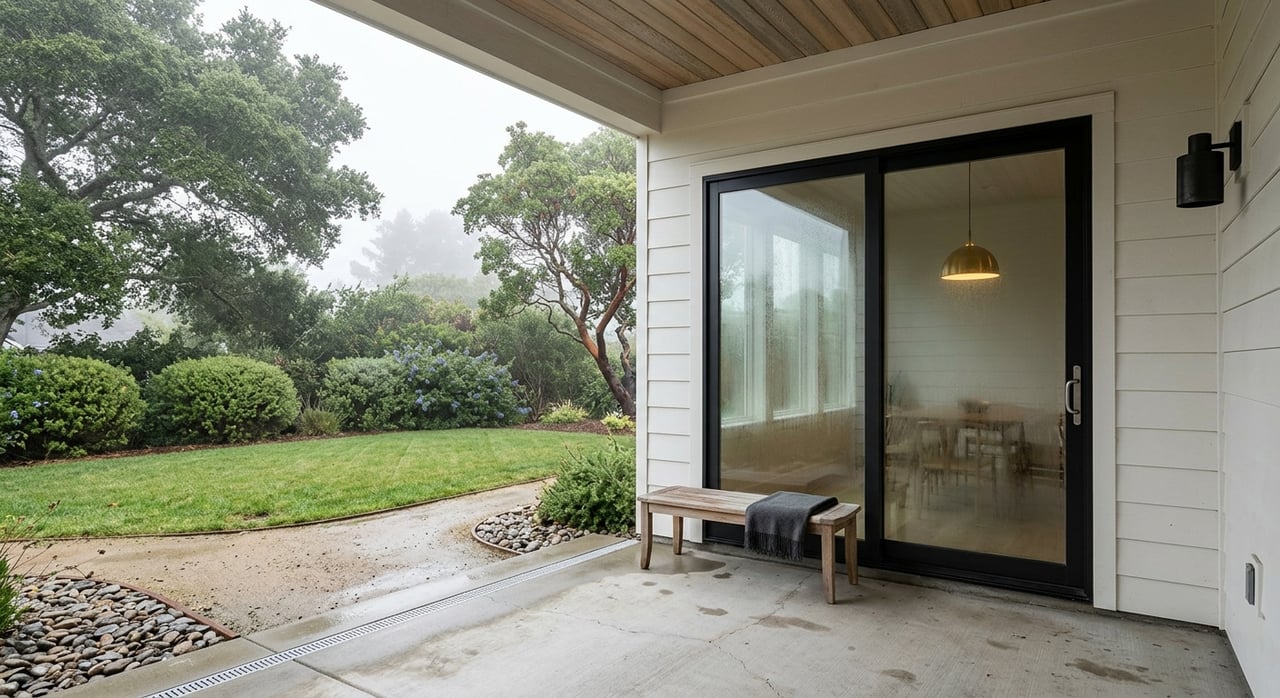
Doors and windows can be weak points when air and moisture are constantly pushing against the home. Caulking, weatherstripping, and air sealing help reduce infiltration, improve comfort, and support durability over time.
Regular checks are especially useful on the coast because seals do not last forever. If a home feels drafty or damp, the issue may not be dramatic, but it can still affect comfort and maintenance costs.
Metal components need regular inspection
Marine air is hard on exposed metal. Railings, gates, fasteners, fixtures, and exterior systems often need more frequent inspection and cleaning in coastal settings than they would farther inland.
This also applies to exterior electrical equipment and solar components. Frames, fasteners, racking, inverters, panels, and connectors can all be more vulnerable in corrosive environments.
A Smart Coastal Maintenance Mindset
Owning a home on the Sonoma Coast usually works best when you budget for recurring upkeep instead of treating maintenance as an occasional surprise. The coastal environment keeps reapplying moisture and corrosion stress, so even well-built homes benefit from regular check-ins.
A practical approach is to think in terms of a maintenance rhythm. Instead of waiting for visible damage, you plan for routine inspections and small fixes that protect the home’s long-term condition.
Coastal upkeep checklist
Here are some of the most important areas to keep on your radar:
- Roof edges and flashing
- Windows and door seals
- Weatherstripping and caulking
- Railings, gates, and exposed fasteners
- Exterior fixtures and hardware
- Outdoor electrical components
- Solar frames, connectors, and related equipment
If you are buying, this same checklist can help you compare properties more realistically. A home with ocean proximity or broad exposure may offer incredible views, but you will want to weigh that against the likely upkeep pattern.
Tourism Affects the Local Rhythm
The Sonoma Coast is not just a residential area. It is also part of a larger destination economy. Sonoma County reported 10.3 million visitors in 2024, including 4.6 million overnight visitors, along with $2.4 billion in visitor spending and $218.4 million in state and local tax revenue.
That level of visitation shapes day-to-day life on the coast, especially during peak seasons. Summer is framed as a time to cool off by the water, fall is often the warmest period, and winter is milder but wetter and foggier.
What residents often notice
For many full-time owners, the tradeoff is straightforward. Summer weekends can bring more traffic, parking friction, and busier local activity, while the off-season tends to feel calmer and quieter.
Winter is not dormant, though. The coast still draws people for whale watching, Dungeness crab season, and off-season getaways, so the rhythm changes without fully shutting down.
This matters if you are deciding whether the coast fits your lifestyle. Some buyers love the energy of an active destination, while others prefer to go in with clear expectations about seasonal crowds and pace.
Sonoma Coast Value in Today’s Market
Coastal homes in Sonoma County are not priced like the county average, and current market data shows a clear premium in some coastal areas. As of May 2026, Sonoma County’s median sale price was $841,975.
In the same period, Bodega Bay posted a median sale price of $1,773,938, and The Sea Ranch reached $1,599,043. That puts Bodega Bay about 110.7 percent above the county median and The Sea Ranch about 89.9 percent above it.
Price is only part of the story
Higher pricing does not automatically mean every coastal property performs the same way. Liquidity can vary sharply by location.
In May 2026, Bodega Bay sold 12 homes with an average of 72 days on market. The Sea Ranch sold 17 homes with an average of 25 days on market. Sonoma County overall sold 406 homes with an average of 35 days on market.
Because coastal submarkets have relatively small sales counts, month-to-month swings can look dramatic. A jump or dip in one month does not always tell the full story, so it helps to look at patterns with patience and local context.
Coast Versus Inland Tradeoffs
For many buyers, the real decision is not just whether they want a home. It is whether they want a coastal home specifically. The Sonoma Coast often offers ocean access, scenic views, and a distinctive lifestyle that is hard to match inland.
At the same time, inland Sonoma County may offer lower upkeep demands and more house for the money. That does not make one choice better than the other. It simply means your best fit depends on your priorities, budget, and tolerance for ongoing maintenance.
Questions worth asking yourself
Before buying on the coast, consider:
- How much do you value ocean proximity and view potential?
- Are you comfortable planning for recurring maintenance?
- Do you prefer cooler, more changeable weather?
- How important is resale tempo in your specific area?
- Would you rather have coastal setting or more interior space inland?
For sellers, these same tradeoffs can shape how your home is positioned in the market. Buyers often respond best when the listing sets clear expectations and highlights both lifestyle value and property condition.
Why Local Guidance Matters
On the Sonoma Coast, small details can carry a lot of weight. The same feature that makes a property special, like open exposure, proximity to the water, or dramatic views, can also affect upkeep patterns and buyer expectations.
That is why local market knowledge matters so much. You want advice that looks at the full picture, including price, timing, presentation, and how a home’s coastal setting may influence value over time.
Whether you are buying your first coastal property, relocating within Sonoma County, or preparing to sell, clear strategy makes a difference. Working with a team that understands neighborhood-level market behavior can help you weigh the tradeoffs with more confidence.
If you are considering a move on the Sonoma Coast, Aspira Realty can help you evaluate the market, understand property-specific factors, and plan your next step with transparent, local guidance.
FAQs
What is year-round weather like on the Sonoma Coast?
- The Sonoma Coast is typically cooler and more changeable than inland Sonoma County, with morning fog, mild temperatures, and most rainfall arriving between November and April.
What parts of a Sonoma Coast home need the most upkeep?
- Buyers and owners should pay close attention to roof edges, flashing, windows, doors, exposed metal, and exterior electrical or solar components because salt air and moisture can speed up wear.
Does fog affect more than comfort in Sonoma Coast homes?
- Yes. Fog often means more dampness, which can increase the need for ventilation, sealing, and regular maintenance of weather-exposed materials.
Are Sonoma Coast homes more expensive than Sonoma County overall?
- In current market data, yes. As of May 2026, Bodega Bay and The Sea Ranch both posted median sale prices well above the Sonoma County median.
Is a Sonoma Coast home always the better long-term investment?
- Not necessarily. Coastal areas can carry a scarcity premium, but maintenance needs, resale timing, and submarket liquidity vary, so value depends on your goals and holding period.