Thinking about buying or selling in Sebastopol and wondering which eco upgrades really move the needle? You are not alone. Local buyers want comfort, lower utility bills, and peace of mind when the power goes out, and sellers want to showcase features that attract strong offers. In this guide, you will learn which energy-smart features stand out in Sebastopol, how they can influence pricing and days on market, and exactly what to highlight or verify during showings. Let’s dive in.
Why eco features matter in Sebastopol
Sebastopol’s Mediterranean climate means mild winters and warm, dry summers. Efficient heat pumps, passive cooling strategies, and tight envelopes work very well here. With recurring drought and wildfire risk across Sonoma County, buyers also value water-wise yards and backup power solutions.
Most homes here receive electricity through PG&E lines, and many homeowners opt for Sonoma Clean Power for cleaner energy options. That local focus on renewables, paired with state policies, makes energy upgrades more visible and often more cost-effective.
California building standards and electrification goals continue to push high‑efficiency electric appliances and EV readiness into the mainstream. At the same time, changes to solar compensation rules (often called NEM 3.0) have shifted the economics of rooftop systems. Always verify current program details and tariffs before estimating savings.
Solar PV and solar-ready
Solar photovoltaic systems generate on-site electricity. “Solar-ready” means the roof and electrical system are set up for a smooth future install.
Why it stands out here
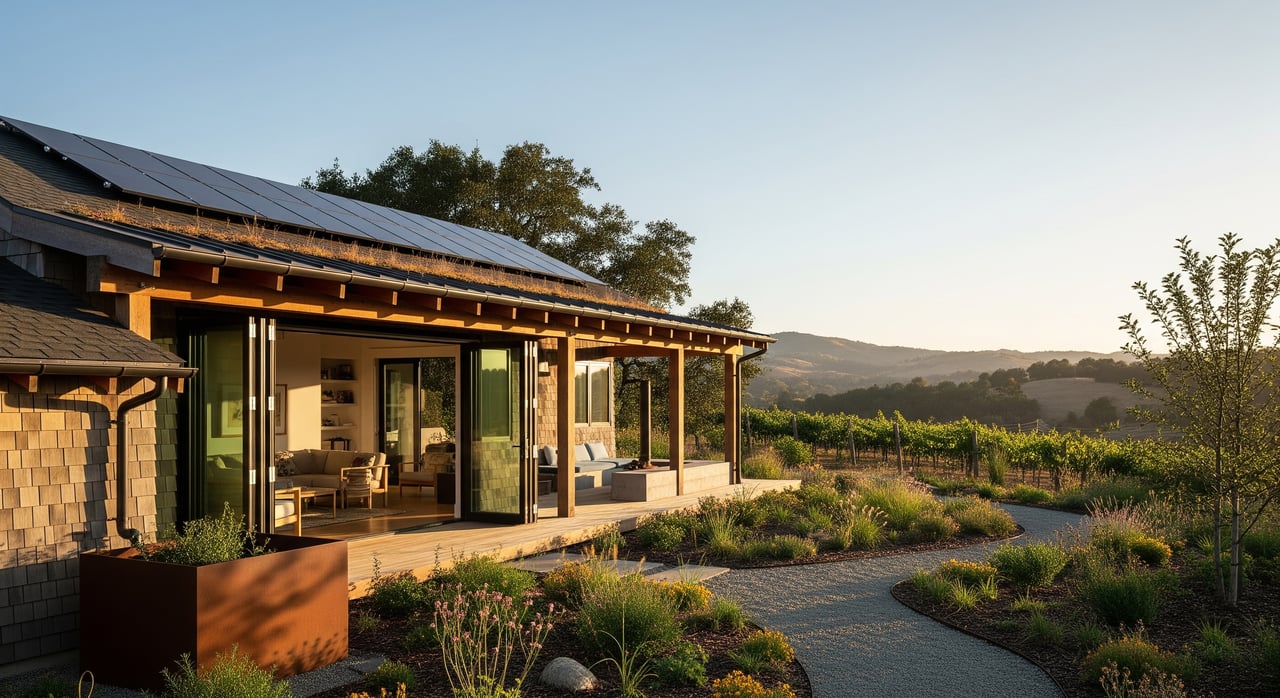
Solar lowers electricity costs and pairs well with batteries for resilience during Public Safety Power Shutoffs and wildfire-related outages. Policy changes affect export credits, so many buyers favor owned systems with storage sized for their needs.
If you are selling: what to spotlight
- Ownership status: owned, financed, or leased/PPA. Owned systems typically carry more value.
- System details: age, capacity in kW, inverter type, brand, maintenance history, and production data.
- Paperwork: permits, inspections, and interconnection agreements. Include any utility credit history.
- Backup capability: presence of batteries, how critical loads are supported, and any outage performance notes.
If you are buying: what to check
- Ownership and transfer terms if leased or under a PPA.
- Documentation: installed capacity, inverter age, annual kWh production, warranties, and permits.
- Roof and site: condition, south or southwest orientation, shading from trees, and structural readiness.
- Backup configuration: battery size, critical-load panel setup, and monitoring access.
Permits and policy to confirm
- PG&E interconnection, current net energy metering rules, and whether the system has legacy terms.
- Sonoma County Permit & Resource Management Department for permits and inspections.
- Sonoma Clean Power resources for local solar and storage programs.
- California Public Utilities Commission for statewide NEM decisions and tariffs.
Battery storage and backup power
Battery systems store electricity from solar or the grid for later use, which supports backup power and bill management.
Why buyers value it
Batteries help keep key circuits on during outages and can shift usage to cheaper time-of-use periods. In Sonoma County, resilience is a major selling point.
Seller highlights
- Capacity in kWh, inverter or brand, and whether it serves the whole house or a critical-load panel.
- Age, warranty terms, and any incentive documentation, such as SGIP.
- Real-world performance during any outages, if available.
Buyer checks
- Ownership, capacity, warranty, and state of health if provided by the manufacturer.
- Installation documentation, monitoring app access, and maintenance history.
- Compliance with local fire and electrical codes, plus utility interconnection requirements.
Programs to review
- Self-Generation Incentive Program for battery incentives.
- PG&E for storage interconnection and rate impacts.
- Sonoma Clean Power for any local rebates or pilot programs.
EV charging readiness
EV readiness typically means there is a dedicated 240V circuit and conduit to a parking location. An installed Level 2 charger offers faster at-home charging.
Why it matters
EV adoption is growing across California, and at-home charging is a daily convenience. Buyers see it as a near-term cost saver and a sign of forward-thinking infrastructure.
Seller highlights
- Installed Level 2 charger details: brand, amperage, hardwired or plug-in, and ownership.
- Electrical readiness: dedicated 240V circuit, panel space, and conduit runs to detached garages if applicable.
- Any TOU plan optimization or prior utility guidance for EV charging.
Buyer checks
- Charger type, output, and whether it conveys with the sale.
- Panel capacity and available breaker space for expansion.
- Warranty information and any past permits for the installation.
Incentives and permits
- Check PG&E, Sonoma Clean Power, and statewide programs for charger rebates.
- Confirm local permit requirements for hardwired equipment with Sonoma County PRMD.
Heat pumps and home electrification
Electric heat pumps provide efficient heating and cooling. Many homes use ducted systems, while ductless mini-splits can serve zones or additions. Heat pump water heaters and induction ranges are part of a full electrification package.
Why it fits Sebastopol
Sebastopol’s climate is ideal for heat pump performance. They improve comfort through even heating and cooling and can reduce greenhouse gas emissions. State and local incentives support these upgrades.
Seller highlights
- System type, age, and zones served. Include SEER and HSPF ratings when available.
- Maintenance records and any high-performance models.
- Complementary upgrades: heat pump water heater, induction range, or panel upgrades that support electrification.
Buyer checks
- Thermostats and controls, performance during both heating and cooling, and warranty terms.
- Placement and noise levels for indoor and outdoor units.
- Panel capacity and service size if you plan to add more electric appliances later.
Incentives and contractors
- Federal, state, and local rebates may apply. Verify current offers using DSIRE and local program administrators like Sonoma Clean Power and PG&E.
- Work with qualified contractors who understand retrofit best practices and local code.
Water-wise landscaping
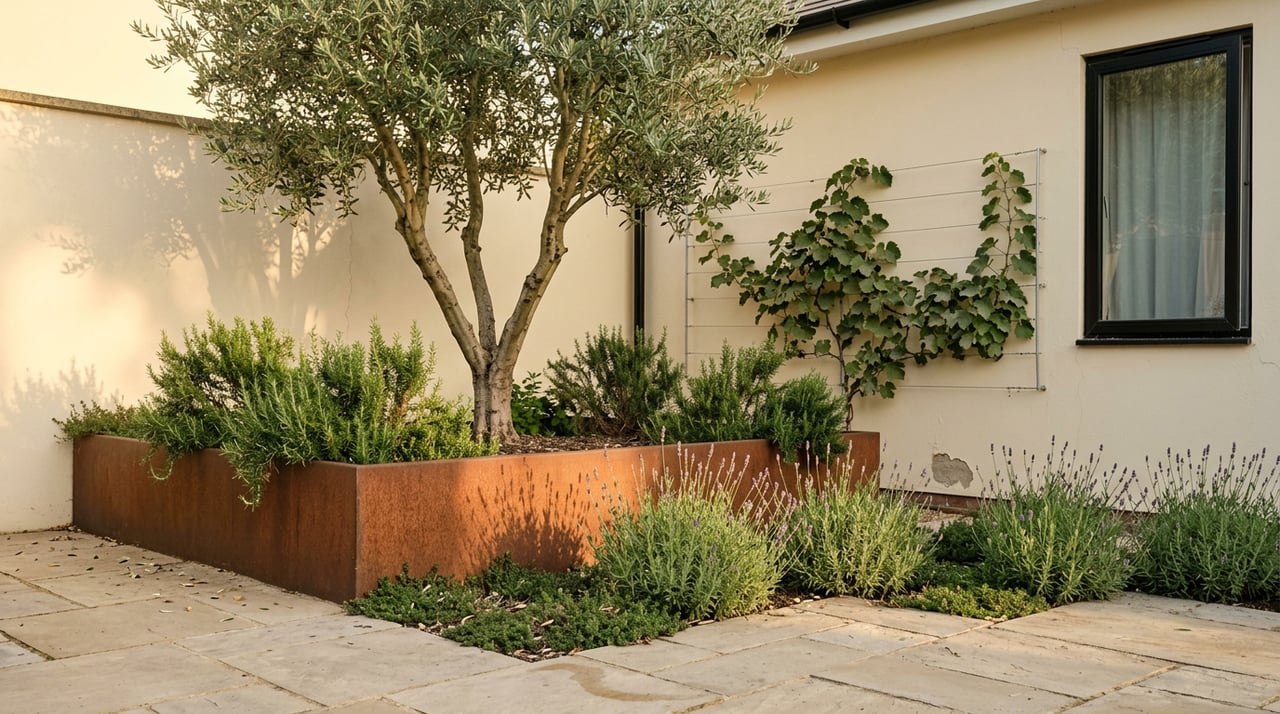
Water-wise yards use drought-tolerant plants, drip irrigation, smart controllers, and soil improvements to cut outdoor water use.
Why it resonates here
California’s recurring droughts make conservation a community priority. Native and Mediterranean plant palettes suit Sonoma’s climate and can lower maintenance needs.
Seller highlights
- Turf removal or conversion, drip irrigation zones, and smart controllers.
- Rainwater capture, permeable hardscape, mulch, and soil amendments.
- Documentation for any rebates from Sonoma Water or local programs.
Buyer checks
- Irrigation type, controller model, and zones by area.
- Plant lists highlighting native or drought-tolerant species.
- Maintenance needs and any prior rebate paperwork for continuity.
Local programs
- Sonoma Water offers residential rebates for turf removal, smart controllers, and irrigation upgrades. Confirm current eligibility and documentation requirements.
How eco features influence offers and price
Research has documented that owned rooftop solar can carry a measurable price premium in many markets. Buyers also tend to prefer homes with EV readiness, batteries, and water-wise yards because these features reduce monthly expenses and add convenience.
Ownership and policy matter. Owned systems are usually cleaner in a transaction than leased systems or PPAs, which can add transfer steps or fees. Solar compensation rules, such as the current NEM structure, can change savings estimates. Appraisers and lenders may recognize energy improvements if documentation supports the valuation, but treatment can vary by loan product.
What this means for your strategy
- Sellers: assemble a complete documentation set and craft a clear narrative around utility savings, comfort, and resilience. Pricing should reflect system age, ownership, and performance data relative to comparable homes.
- Buyers: weigh eco features as part of total monthly cost of ownership, not just list price. Request documents early to avoid delays and plan for any upgrades you want post‑closing.
- Both: build in time for system-specific inspections if needed, especially for older PV inverters or battery installations.
Listing and tour checklists
Seller listing prep checklist
- Ownership and legal: solar ownership vs lease or PPA, battery ownership, charger ownership, and warranties.
- System folder: PV kW rating, inverter model and serial number, annual production (last 12 months), permits, interconnection, warranties, battery capacity and age, heat pump specs, and water rebate receipts.
- Service history: electrical panel upgrades, HVAC tune-ups, battery maintenance, and irrigation checks.
- Pre-listing assessment: consider an energy report or home performance review.
- Resilience story: explain backup power capability, what runs on battery, and outage performance.
- Landscape visuals: before and after photos for turf conversion and screenshots of smart controller schedules.
Buyer tour checklist
- Request documentation for every system, plus utility bills for the last 12 months if available.
- Verify ownership and contract transfer terms for any leases or service agreements.
- Inspect visible components: roof and shading, inverters and battery locations, heat pump outdoor units, and charging hardware.
- Confirm electrical service capacity and panel space for future electrification.
- Ask for recommended installers or service providers and verify credentials.
Local resources to verify details
- Sonoma Clean Power for local electrification programs and customer resources.
- Sonoma Water for turf removal, smart controller, and irrigation rebates.
- PG&E for interconnection, rate schedules, and EV or storage guidance.
- Sonoma County PRMD for permits and wildfire-hardening guidance.
- CPUC and CEC for statewide policy and building standards.
- DSIRE for current federal, state, and local incentives.
- LBNL for studies on solar valuation and resale premiums.
- U.S. Department of Energy for consumer guides on heat pumps and EV charging.
Ready to position your Sebastopol home for the best outcome, or to find a property with the right eco features already in place? Our boutique team blends local insight with hands-on service, so you can move forward with confidence and clarity. Book a consultation with Aspira Realty.
FAQs
Do solar panels increase home value in Sebastopol?
- Studies have found a measurable premium for owned rooftop solar, with final value depending on system size, age, documentation, and local policy.
Is a leased solar system a problem when selling?
- Leased systems or PPAs can transfer, but terms vary; provide contracts early so buyers and lenders can review costs, timelines, and any fees.
What is NEM 3.0 and why does it matter to me?
- It refers to California’s updated net energy metering rules that change how exported solar is credited, which can affect savings and perceived value.
Are heat pumps effective in Sebastopol’s climate?
- Yes, the mild climate is well suited to heat pumps, which provide efficient heating and cooling along with comfort benefits like even temperatures.
How can I tell if a home is EV‑ready?
- Look for a dedicated 240V circuit and conduit to the parking area or an installed Level 2 charger, plus panel capacity for future upgrades.
Which water-wise upgrades may qualify for local rebates?
- Turf removal, smart irrigation controllers, and drip conversions commonly qualify; confirm current offers and rules with Sonoma Water.
What documents do appraisers and lenders want for eco features?
- Expect to provide permits, interconnection agreements, warranties, production data, service records, and any incentive documentation to support valuation.