If you are trying to choose between Petaluma’s east side and west side, you are probably asking a bigger question than where a home sits on the map. You are really trying to picture your daily routine, your errands, your commute, and the kind of setting that will feel right when you come home. This guide will help you compare how each side of Petaluma tends to feel, how homes often differ, and what day-to-day life may look like so you can narrow your search with more confidence. Let’s dive in.
How Petaluma Splits East and West
Petaluma’s east-west divide is shaped by a few major features: the Petaluma River, the railroad, and US-101. City planning materials describe the east side as the half of the city northeast of 101, while the west side includes the older historic core and downtown fabric.
You may also see the city described in three broader areas: Western Petaluma, Southeast Petaluma, and Northeast Petaluma. Even with those broader labels, many buyers still talk about Petaluma in simple east-side and west-side terms because that split often reflects how homes look and how daily life flows.
West Side Feel and Home Style
West Petaluma is generally the part of town most tied to the historic downtown. The city’s historic resources report describes west-of-downtown neighborhoods as some of the earliest residential areas, with freestanding single-family homes in a wide range of older architectural styles.
You may find homes with Italianate, Carpenter Gothic, Queen Anne, and Second Empire design, along with later Craftsman, Spanish Revival, Mediterranean Revival, Tudor Revival, Neoclassical, and Colonial Revival examples. In practical terms, that often means the west side can feel more historic, more established, and more shaped by earlier street patterns.
Downtown also sits on this side of the city’s identity. The Petaluma Historic Commercial District covers much of the downtown area, which helps explain why the west side often feels closely connected to Petaluma’s older civic and commercial center.
East Side Feel and Home Style
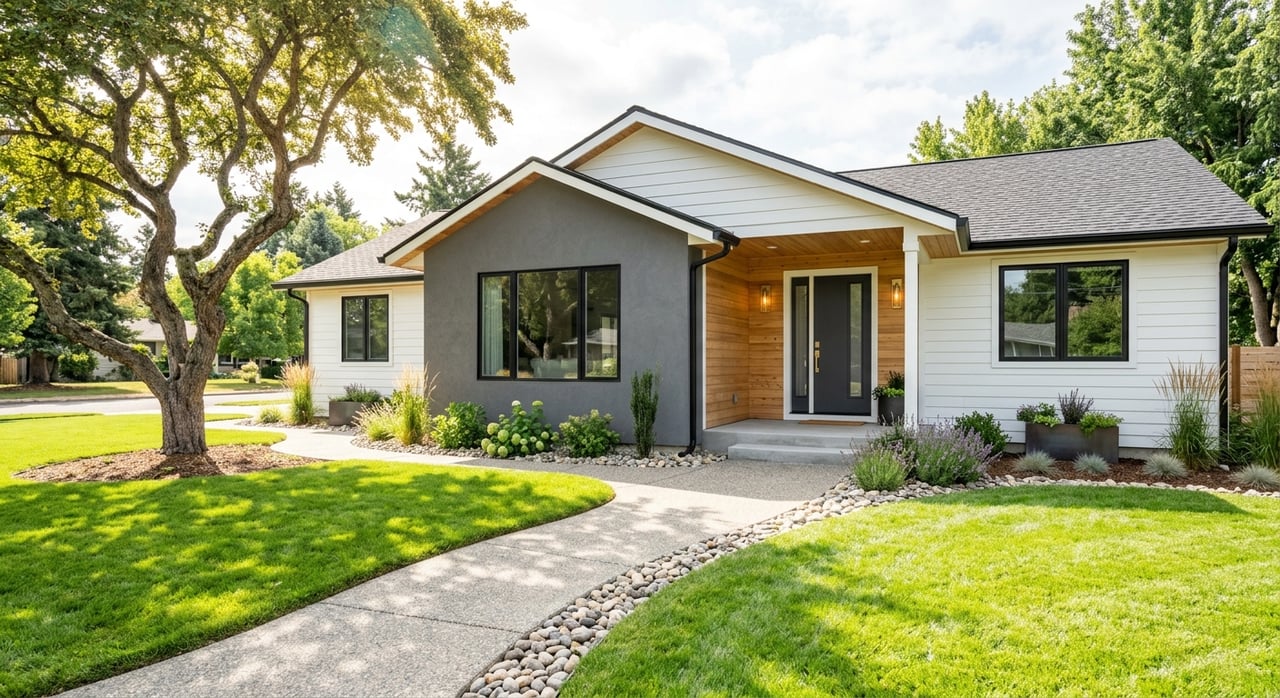
East Petaluma generally has a newer development pattern. According to the city’s historic resources report, construction expanded east of the river after US-101, and post-war tract housing became common there, including Minimal Traditional, Ranch, and Modern styles.
Current planning for the Petaluma North area describes a mix of business parks, industrial areas, residential neighborhoods, and mobile home communities along McDowell Boulevard. That gives parts of the east side a more corridor-based layout, with neighborhoods often tied to larger roads and newer patterns of development.
For many buyers, that translates into a different rhythm. The east side often feels more driven by everyday convenience corridors, neighborhood parks, and access points around McDowell and East Washington rather than the older downtown street grid.
Daily Rhythm on the West Side
If you picture daily life around downtown, the west side may feel like a natural fit. Downtown Petaluma centers on the Turning Basin and the historic shopping district, which Visit Petaluma describes as a 15-block shopping area with dining, shops, and free all-day parking in downtown garages.
That kind of layout can make your routine feel more compact and core-oriented. You may find yourself thinking in terms of downtown stops, historic streets, and central gathering places rather than larger retail corridors.
Transit connections also support that pattern. The Downtown SMART station sits beside the Copeland Street Transit Mall, which is served by Golden Gate Transit, Sonoma County Transit, Petaluma Transit, and the free LumaGo shuttle.
Daily Rhythm on the East Side
The east side often has a different kind of everyday flow. Instead of centering as strongly on the historic core, many errands and activity hubs connect to North McDowell Boulevard, East Washington Street, and surrounding neighborhood-serving areas.
Visit Petaluma notes that most shopping centers are along North McDowell Boulevard or East Washington Street. These include East Washington Place, The Plaza South and North, Washington Square, River Plaza, Leghorn Marketplace, and Petaluma Gateway Center.
If your routine depends on quick access to larger shopping areas, corridor-based stops, or neighborhood parks, the east side may feel more intuitive. The Petaluma North SMART station at Corona Road and North McDowell Boulevard also reinforces that transit-node pattern.
Parks and Public Spaces
One of the clearest differences between the two sides is how public spaces tend to show up in daily life. On the west side, downtown itself is a major point of activity, with the Turning Basin serving as a central place in the historic core.
On the east side, public space leans more toward neighborhood and recreation settings. City pages place McDowell Park, Meadow View Park, and Miwok Park on the east side, while Kenilworth is described as the city’s largest community park serving the mid-town area. Lucchesi Park is also a major community recreation area and the site of a large skatepark project.
That does not make one side better than the other. It simply means your day may feel different depending on whether you want to be more tied to downtown streets and central destinations or to neighborhood parks and activity-focused spaces.
Commuting and Getting Around
Petaluma has two SMART stations, and they support different parts of the city. The Downtown station connects closely with the Copeland Transit Mall and multiple transit providers, while Petaluma North serves the Corona Road and North McDowell area.
Petaluma Transit’s Route 11 East-West Connector links the Eastside Transit Center, East Washington, Lakeville, Keller and Western, and Copeland Transit Mall. Route 501 also supports west-side school trips and transfers at Keller and Western.
City planning materials note that most trips in Petaluma are still made by private vehicle, even as the General Plan aims to improve walking, biking, and transit connections. So if you are comparing east and west, it helps to think less about a strict car-free versus car-dependent choice and more about which station, corridor, or destination pattern fits your real routine.
A Simple Way to Compare Both Sides
If you want the shortest possible summary, West Petaluma is more likely to feel historic, compact, and downtown-oriented. East Petaluma is more likely to feel newer, corridor-based, and oriented around neighborhood parks, shopping corridors, and transit nodes.
That difference is about built form, access patterns, and the shape of everyday errands. It is not about one type of buyer or household. The best fit depends on whether you want your home search to prioritize historic character and downtown connection or newer development patterns and corridor convenience.
What This Means for Your Home Search
When you tour homes in Petaluma, try to evaluate more than square footage or finishes. Pay attention to how the streets connect, where you would run errands, which parks or transit stops you would actually use, and whether your week would revolve more around downtown or around East Washington and McDowell corridors.
A home can look right on paper and still feel off once you picture your routine. On the other hand, a home in the right part of town for your lifestyle can make everyday life feel easier from the start.
That is where local guidance matters. When you compare Petaluma neighborhoods block by block, a clear understanding of how each area lives can help you focus your time, avoid second-guessing, and move forward with confidence.
If you want help weighing east side versus west side in a way that fits your budget, commute, and goals, book a consultation with Aspira Realty.
FAQs
What is the main difference between East Side and West Side Petaluma?
- West Petaluma is generally more historic and downtown-oriented, while East Petaluma is generally newer in development pattern and more tied to shopping corridors, neighborhood parks, and the North McDowell area.
What types of homes are common on the West Side of Petaluma?
- West-side neighborhoods near downtown often include older single-family homes in styles such as Queen Anne, Craftsman, Tudor Revival, Spanish Revival, and other historic architectural styles identified by the city.
What types of homes are common on the East Side of Petaluma?
- East Petaluma commonly includes post-war and later residential development, with housing types and styles such as Minimal Traditional, Ranch, and Modern homes noted in city historic resources materials.
Which side of Petaluma is closer to downtown amenities?
- West and central neighborhoods are generally more closely tied to downtown Petaluma, including the historic commercial district, Turning Basin, and the Copeland Transit Mall area.
Which side of Petaluma has more shopping centers and corridor errands?
- Many of Petaluma’s shopping centers are located along North McDowell Boulevard and East Washington Street, so east-side daily routines often connect more naturally to those retail corridors.
How does transit differ between East and West Petaluma?
- Petaluma’s Downtown SMART station connects with the Copeland Transit Mall and several transit providers, while the Petaluma North station serves the Corona Road and North McDowell area, giving each side a different transit pattern.