Are you thinking about trading extra square footage for an easier daily life in Sonoma? Downsizing here is often less about giving something up and more about choosing what matters most: walkability, lower maintenance, and a home that fits your next chapter. If you want to understand what to buy, how to time the move, and how to plan around Sonoma’s price points, this guide will help you map it out. Let’s dive in.
Why Sonoma Works for Downsizers
Sonoma stands out because so much of daily life can center around a compact, accessible core. The City of Sonoma says Sonoma Plaza is an eight-acre National Historic Landmark with City Hall, a duck pond, playgrounds, the Grinstead Amphitheatre, a rose garden, and a Tuesday night farmers market.
For many downsizers, that means you may not need a large private yard to enjoy outdoor time and local amenities. The city also reports 17 parks, nearly 40 acres of parkland, more than four miles of Class I bikepaths, the 1.5-mile Sonoma City Trail, and the 1-mile Fryer Creek Trail.
That mix can support a lifestyle shift toward simpler upkeep and more time out in the community. Instead of maintaining a larger property, you may be able to reposition into a home that gives you easier access to parks, trails, and the Plaza.
Start With Your Lifestyle Goals
Before you look at listings, get clear on what downsizing means for you. Some homeowners want to reduce maintenance. Others want one-story living, a shorter walk to daily errands, or a smaller outdoor space that still feels comfortable.
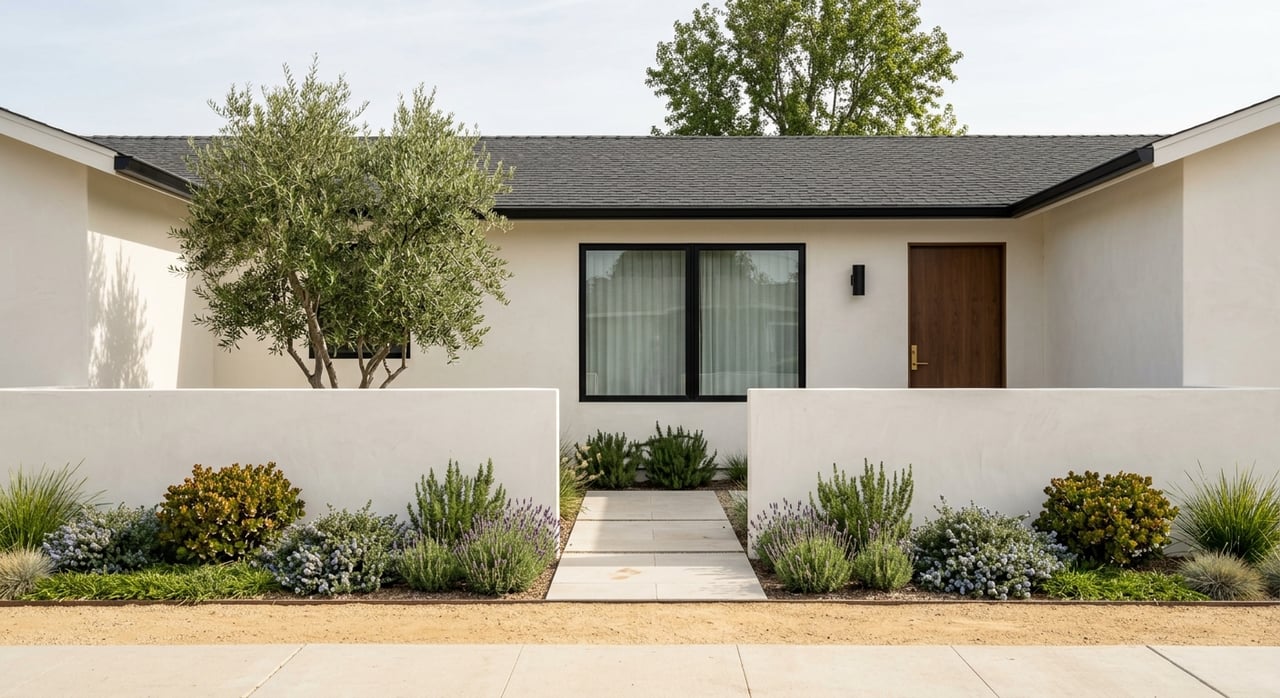
In Sonoma, listings often highlight one-story layouts, proximity to the Plaza, and low-maintenance yards. Those details matter because they shape how you will live day to day, not just how much home you buy.
A helpful way to begin is to rank your priorities. Ask yourself:
- Do you want to be close to Sonoma Plaza?
- Is a condo with minimal exterior maintenance the goal?
- Would you prefer a cottage-style home with a small yard?
- Do you still want extra privacy or acreage, even if you are downsizing overall?
- Is single-level living a must-have?
When those answers are clear, your home search gets much easier. Sonoma has several very different price bands, so lifestyle decisions should come first.
Understand Sonoma’s Price Tiers
One of the biggest planning mistakes is treating Sonoma like a single-price market. It is not. Current market snapshots show that Sonoma city prices sit above Sonoma County overall.
Redfin places the City of Sonoma at a $1.2 million median sale price in March 2026, while Sonoma County is at $815,000. Zillow’s Sonoma page shows an average home value of $943,021, a median sale price of $896,833, and homes going pending in around 32 days.
The exact numbers differ by portal, but the pattern is consistent. In-town Sonoma is a premium market, and your downsizing plan should reflect that.
Condos: Lower Entry Point
If your main goal is low maintenance, condos may offer the most accessible entry point in Sonoma proper. Redfin shows 16 condos for sale with a median listing price of $675,000.
Zillow examples range from $279,000 for a 2-bedroom, 1-bath unit up to $994,900 for a new-construction 3-bedroom, 3-bath home. For many buyers, this is the clearest path to reducing upkeep and staying in town.
Smaller In-Town Homes and Cottages
If you want the feel of a detached home without a large lot, Sonoma’s smaller in-town homes can be a strong fit. These homes often trade square footage for location and convenience.
Examples in the current market show that pricing can still be substantial. Hummingbird Cottages shows final homes from $899,000 and buildable plans from $799,900, while other highly walkable in-town homes can reach well above that. A one-story home near Sonoma Plaza is listed at $1.995 million, showing the premium attached to central location.
Vineyard-Edge and Acreage Homes
Some homeowners say they are downsizing when they really mean simplifying the house while keeping privacy, land, or views. Sonoma has options for that too, but they sit in a very different price category.
Current examples include acreage homes from about $2.395 million to $4.9 million and beyond. If your next move still includes land or vineyard-adjacent appeal, plan for a much larger budget than a condo or compact in-town home.
Calculate What Your Current Home Can Support
Before you decide what to buy, estimate what your current home is likely to net after selling costs. That number helps answer a basic question: does your sale support a condo, a cottage, or a more premium walkable home in Sonoma?
This is where a local valuation matters. Because Sonoma’s market is segmented, a county-wide average can miss the gap between a condo, a smaller in-town home, and an acreage property.
A smart planning conversation usually starts with these questions:
- What is your current home likely to sell for in today’s market?
- What selling costs should you plan for?
- How much equity will be available for your next purchase?
- Would you rather lower your monthly housing costs, keep similar costs, or redirect equity into lifestyle?
With those answers, you can match your budget to the right Sonoma property type instead of shopping too broadly. That saves time and helps you make clearer decisions.
Plan the Timing of Your Move
Downsizing moves often feel simple on paper and complicated in real life. You may need sale proceeds for the next purchase, but you may also want time to sort, pack, and move carefully.
In Sonoma, the market timing usually calls for a measured plan. Redfin says homes sold in a median 52 days in March 2026, while Zillow says homes go pending in around 32 days. The safest takeaway is to expect a one-to-two-month market process, plus escrow, inspections, and moving time.
That means most downsizers should avoid assuming a lightning-fast sale. Instead, build a timeline that gives you room to prepare both financially and practically.
Sale-First Strategy
A sale-first approach can reduce financial pressure if you need equity from your current home before buying the next one. It can also give you a firmer budget for Sonoma, especially in a market where price tiers vary widely.
This strategy often works well when you want certainty before making an offer. The tradeoff is that you may need temporary housing or a negotiated possession solution if your next home is not lined up yet.
Buy-First Strategy
A buy-first approach can make sense if you have strong liquidity or financing options and want to secure the next home before listing your current one. This can be helpful when your ideal downsizing home is specific, such as a one-story home near the Plaza or a lower-maintenance property in a small inventory segment.
The Consumer Financial Protection Bureau says a temporary bridge loan of 12 months or less can be used to finance a new dwelling while you plan to sell your current dwelling within 12 months. This is not the right fit for every buyer, but it is one option to discuss early if timing is tight.
Rent-Back Strategy
If your home sells before you are ready to move out, a rent-back may help smooth the transition. Chase describes a rent-back as an arrangement that lets the seller stay in the home after closing for a negotiated period, with the terms set before closing.
For downsizers, this can create breathing room. You can close the sale, access proceeds, and then move on a more manageable timeline.
Don’t Overlook Proposition 19
If you are age 55 or older, or an eligible disabled homeowner, Proposition 19 may be an important part of your planning. According to the California State Board of Equalization, eligible owners can transfer a base-year value to a replacement principal residence anywhere in California.
The Board of Equalization also says the claim is filed after both transactions are completed and after you are living in the replacement home. In other words, this is not handled through escrow.
Timing matters here too. The replacement home generally must be purchased or newly constructed within two years of the sale of the original home. Because this can materially affect your move, it is worth factoring into your timeline from the start.
Focus on Features That Fit the Next Chapter
A successful downsizing move usually comes from choosing the right features, not just fewer square feet. In Sonoma, that often means balancing comfort, convenience, and maintenance.
As you compare homes, pay close attention to:
- Single-level living for easier day-to-day use
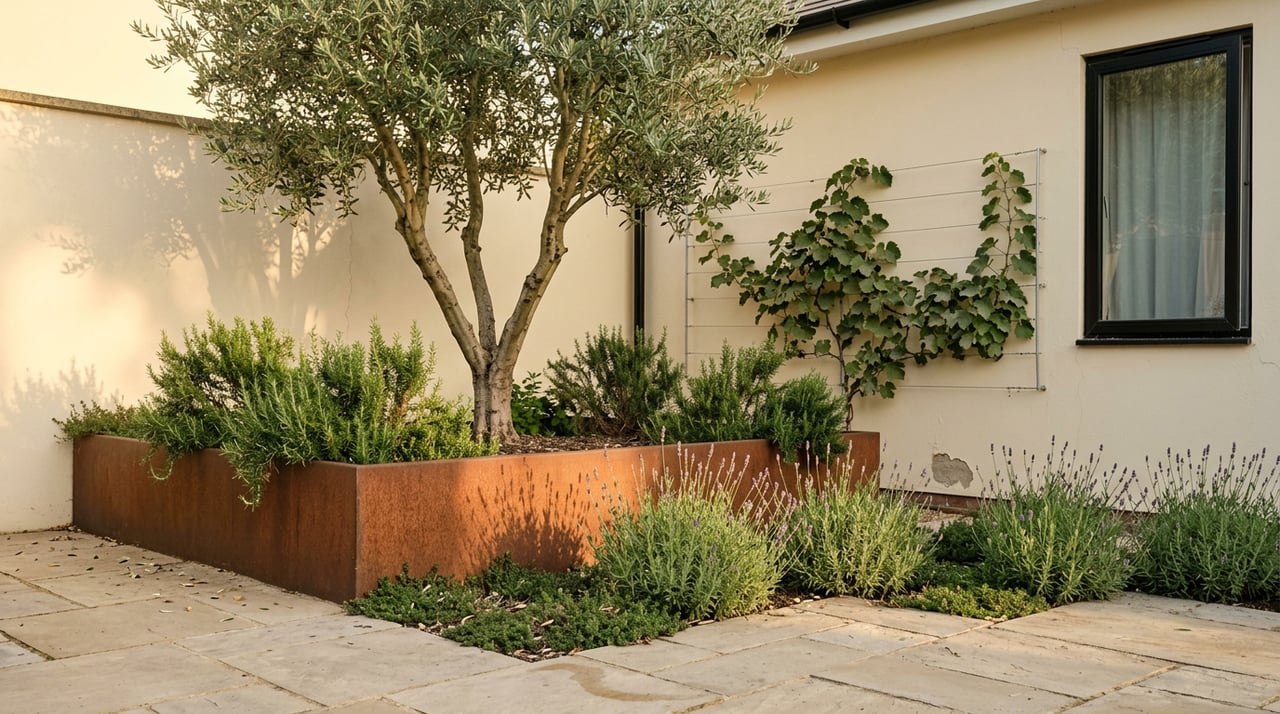
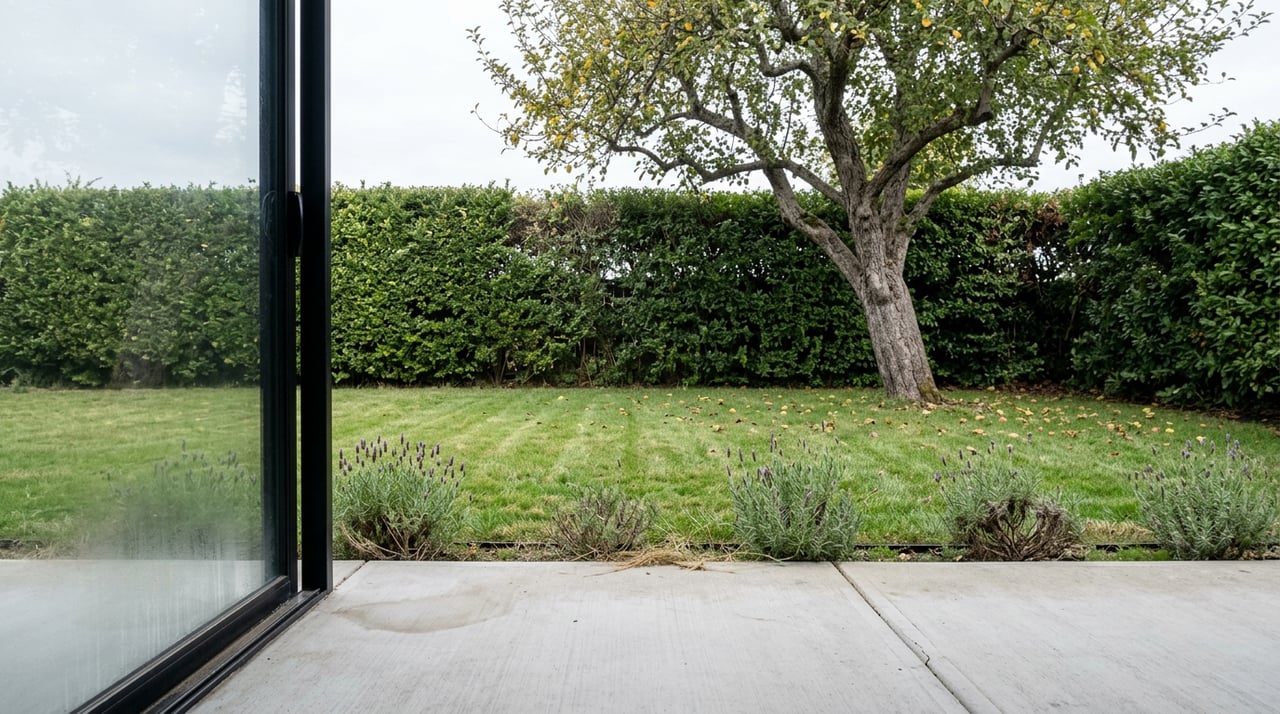
- Low-maintenance outdoor space instead of a large yard
- Walkability to Sonoma Plaza and nearby amenities
- Access to trails and parks for regular outdoor time
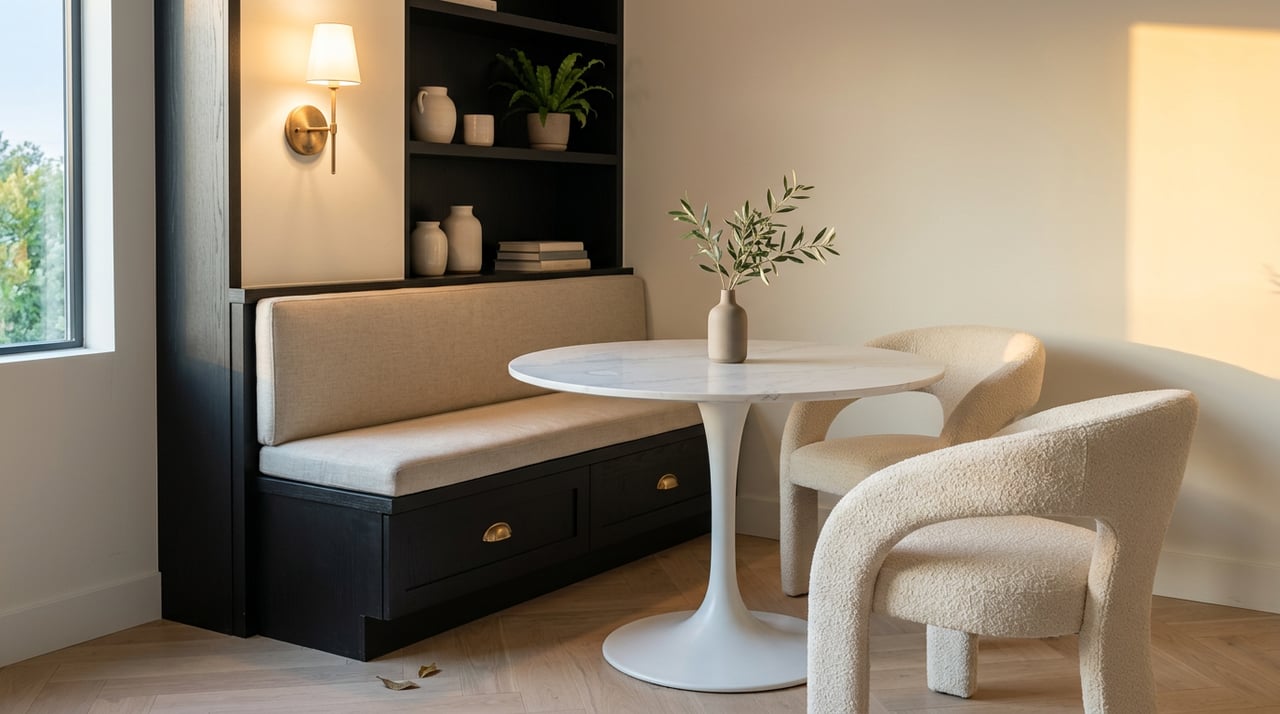
- Layout efficiency so the home feels useful, not simply smaller
When you focus on how the home supports your routine, your search becomes more practical. That is often the difference between a move that feels like a compromise and one that feels like an upgrade.
Why Local Guidance Matters in Sonoma
Sonoma is not a market where one average number tells the whole story. A condo, a cottage near the Plaza, and a vineyard-edge property can all serve a downsizing buyer, but they involve very different budgets and timing strategies.
That is why local guidance matters. You need a plan that reflects the specific pocket of the market you are targeting, the likely net from your current sale, and the sequencing tools that fit your situation.
At Aspira Realty, that kind of planning is built around transparent communication and hands-on support. Whether you are selling a larger home, buying a lower-maintenance property, or trying to line up both sides of the move, a thoughtful strategy can make the process feel much more manageable.
If you’re planning a downsizing move in Sonoma, Aspira Realty can help you map out your sale, your purchase, and the timing in between with clear, local guidance.
FAQs
What makes Sonoma a good place for downsizing?
- Sonoma offers a compact civic core, Sonoma Plaza, 17 parks, nearly 40 acres of parkland, bikepaths, and trails, which can make a smaller home or yard feel more practical.
What price range should you expect for downsizing homes in Sonoma?
- Sonoma has multiple price tiers, with condos offering lower published entry points, smaller in-town homes often starting around the upper hundreds of thousands, and vineyard-edge or acreage homes reaching into the multimillion-dollar range.
How long does it usually take to buy or sell a home in Sonoma?
- Current market data suggests planning for roughly one to two months for market time, plus additional time for escrow, inspections, and the move itself.
What downsizing features matter most in Sonoma homes?
- Common priorities include one-story living, low-maintenance outdoor space, walkability to Sonoma Plaza, and easy access to parks or trails.
How does Proposition 19 affect a downsizing move in California?
- Eligible homeowners age 55+ or eligible disabled homeowners may be able to transfer a base-year value to a replacement principal residence in California, with the claim filed after the transactions are complete and occupancy has begun in the replacement home.
What is the difference between sale-first, buy-first, and rent-back when downsizing in Sonoma?
- Sale-first can provide budget certainty, buy-first may help you secure the next home before listing, and a rent-back can let you stay in your sold home for a negotiated period after closing.