You can almost feel it now: slow mornings on the plaza, vineyard sunsets, and a quiet place to recharge. Buying a Healdsburg retreat is exciting, but it is also different from a typical suburban purchase. Rules, financing, wildfire risk, and rural systems add layers you want to understand before you write an offer. In this guide, you’ll get a clear roadmap tailored to Healdsburg so you can buy with confidence. Let’s dive in.
Healdsburg market at a glance
Public data sources show different snapshots in small, seasonal markets like Healdsburg. Early 2026 reports illustrate the gap: one provider’s median sale price lands around the mid to high $1 million range, while a model-based home value index tracks closer to the low $1 millions. The key takeaway is not the exact number, but that price bands vary widely by property type and location.
Expect a broad range. Downtown cottages and some condos typically sit toward the lower end. Move-in-ready single-family homes and townhomes spread across the middle. Vineyard parcels, boutique estates, and properties with guest spaces trend at the top. To zero in on your budget, you’ll want current, neighborhood-level comps and on-the-ground context.
Where to buy: property types
You’ll see four common options when you shop Healdsburg and its surrounds:
- Downtown cottages and historic homes near the Plaza, often on smaller lots with strong walkability.
- Suburban single-family houses and newer infill townhomes that offer contemporary layouts.
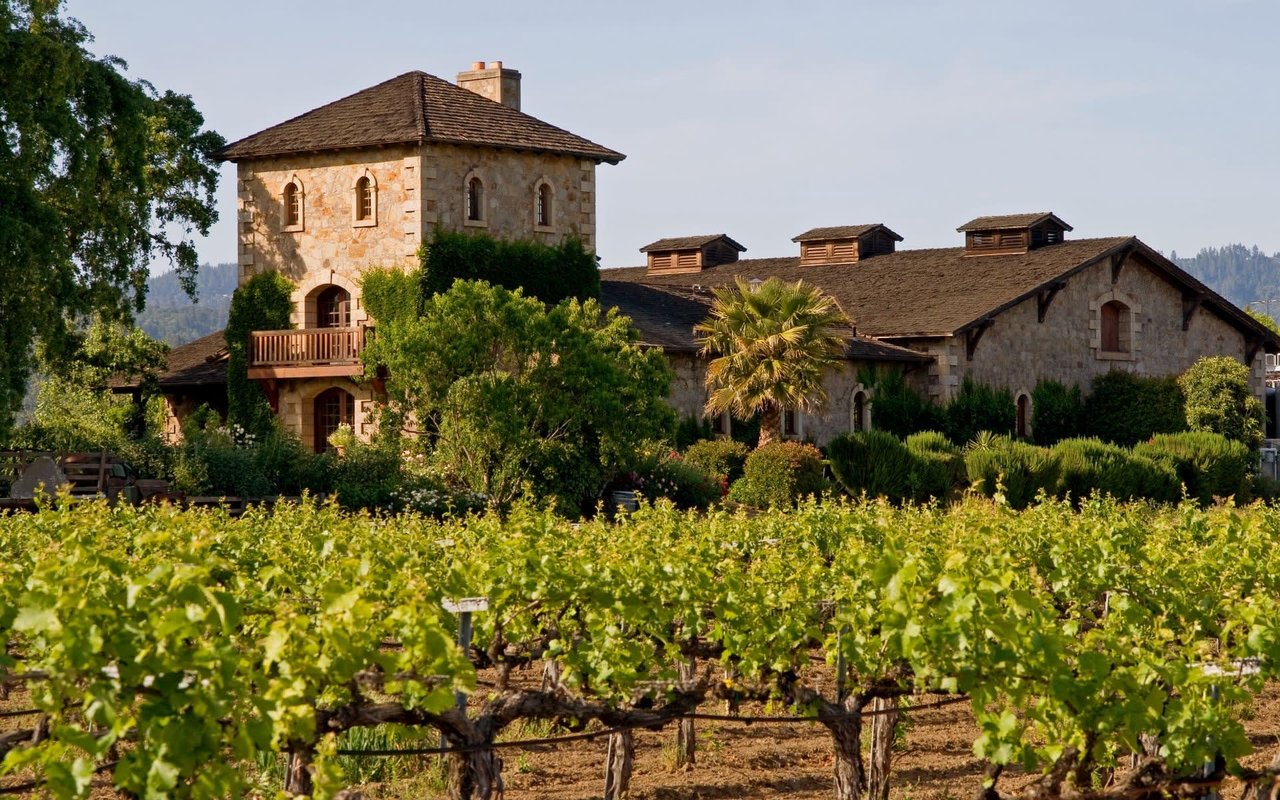
- Rural parcels with vineyards or ranch acreage outside city limits, sometimes with agricultural designations and irrigation infrastructure.
- Boutique estates and luxury properties with pools, guest cottages, and extensive grounds.
Each brings its own due diligence list. A downtown cottage may be simpler on utilities but more sensitive to local short-term rental rules. An acreage retreat can deliver privacy, yet likely introduces wells, septic, fire protection planning, and operational costs.
Know the rules: short-term rental basics
Short-term rental (STR) rules are strict and they vary by jurisdiction. Before you model any rental income, confirm what is legal on the exact parcel.
Inside Healdsburg city limits
The City of Healdsburg tightly restricts vacation rentals in most residential zones. Vacation rentals are allowed only in select commercial districts and require a Conditional Use Permit plus annual fire and safety inspections. The city also expects proper business licensing and transient occupancy tax collection where a short-term lodging business is permitted. Review the city’s guidance on vacation rental permits and requirements and note that code enforcement prioritizes non-permitted activity.
In unincorporated Sonoma County
Outside city limits, the county runs a separate STR licensing program with density caps and exclusion zones in certain areas. New operators often need a license and must meet septic, parking, and safety standards. Availability for new STRs depends on the parcel’s location and whether it falls in a restricted or capped zone. Rules have evolved since 2022–2024, so you should confirm the current status with county planning and your local fire district before you count on STR income.
Financing a second home in Healdsburg
Buying a second home is common in wine country, but underwriting is more conservative than for a primary residence. Clarify how your lender will classify the use early.
Loan limits and jumbo thresholds
For 2026, Fannie Mae’s national baseline conforming loan limit for a one-unit property is $832,750. Sonoma County commonly uses a higher single-family conforming or high-balance limit in lending calculations, reported around about $897,000 in 2026. Many Healdsburg homes, especially larger estates, exceed these caps and fall into true jumbo territory. Jumbo loans often require larger down payments, higher reserves, and tighter debt-to-income ratios. Verify the specific county limit and program rules with your lender at application.
Second home vs investment classification
Conventional second-home financing is widely available, but lenders set higher bars than for primaries. Expect minimum down payments commonly in the 10 to 20 percent range, stronger credit expectations, and documented reserves. If you plan to rent the home as a short-term rental and the use is allowed, many lenders will treat the loan as an investment rather than a second home, which typically means bigger down payments and different pricing. Review typical second-home standards with clear guidance like this consumer summary and ask your lender whether any rental use will change your loan classification or qualification.
Closing costs and local taxes
Plan for state and local transfer taxes and ongoing property taxes in your cost model.
- The City of Healdsburg publishes a documentary transfer tax rate of $1.10 per $1,000 of sale price. Who pays is negotiable, so confirm in your purchase contract.
- Under Proposition 13, California property taxes start at 1 percent of assessed value, with additional voter-approved local assessments. Effective rates vary by tax-rate area; in Healdsburg, many data sources show an effective range often near 1.1 to 1.2 percent. Use the county assessor’s lookup for parcel-specific numbers and review a summary of typical local rates from this Sonoma County overview.
Wildfire risk and insurance
Wildfire is a real factor in parts of Healdsburg and the surrounding hills. In 2024–2025, Cal Fire updated statewide Fire Hazard Severity Zone maps, and local reporting shows expanded high and very high designations near areas like Fitch Mountain and outlying parcels. You can review local coverage of the map updates and what those designations mean using this report.
Insurers do not rely only on Cal Fire maps. Carriers use their own models, and availability or premiums can vary block by block. New state mitigation rules and home-hardening standards may help over time, but for now you should expect wildfire-related underwriting questions, especially for rural properties. Learn how insurers weigh risk from statewide reporting on the updates and insurance response. Then get an insurance pre-check early in your process so you know coverage and estimated premiums before you remove contingencies.
Pro tip: Order the Natural Hazard Disclosure early, check the home’s FHSZ status, and budget for defensible space, vegetation management, ember-resistant vents, and roof or gutter upgrades. These steps reduce risk and can support insurability.
Wells, septic, and connectivity
Many wine country retreats outside city limits run on private well and septic systems. Build the following into your plan:
- Well: order a well flow test and water quality analysis. Confirm irrigation supply if you have vines or extensive landscaping.
- Septic: schedule a septic inspection or capacity report and clarify repair responsibilities in your contract.
- Utilities and broadband: rural pockets can have limited cable or fiber. Confirm internet options early if you plan to work remotely. Satellite solutions may be the fallback in some areas.
Inside Healdsburg city limits, homes are more likely to connect to municipal water and sewer, which can simplify maintenance and STR permitting if a property is otherwise eligible.
If vines are included
Vineyard acreage is a lifestyle dream, but it runs like a small farm. Budget for annual management, irrigation upkeep, frost protection, and pest control. For parcels with commercial potential, such as a tasting room or winery activity, expect a separate permit path with county use permits, environmental review, and ABC licensing. A vineyard consultant can assess vine age, rootstock, irrigation systems, and likely yields. For more on the complexity of commercial operations, review industry context from Wine Business Analytics.
Your due diligence game plan
Use this checklist to protect your purchase and keep timelines smooth:
- Zoning and use. Confirm whether the parcel is inside the city or in unincorporated county. For city properties, review Healdsburg’s vacation rental rules. If STR income matters, verify permits, any conditional use permits, and business licensing. Note that code enforcement treats non-permitted STRs as a priority.
- Hazard review. Obtain the Natural Hazard Disclosure early and confirm the Fire Hazard Severity Zone designation using local reporting like this Healdsburg map overview.
- Specialized inspections. Order a general home inspection plus termite, roof and chimney, HVAC, well flow and water quality, and a septic evaluation. If vines are present, add a vineyard consultant report.
- Insurance pre-check. Ask an experienced broker for a written indication of availability and expected premiums, especially for higher wildfire risk areas. Statewide reporting on carrier decisions is summarized here.
- Financing confirmation. Verify your loan type, county loan limit implications, reserves, and whether any rental use changes classification. Start with the Fannie Mae 2026 baseline limit and Sonoma County’s reported high-balance figure from this local lender reference.
- Local costs. Confirm the city transfer tax rate, the parcel’s property tax-rate area, HOA or assessment districts, and any special district charges.
How a boutique local team helps
Buying in wine country is as much about operations as it is about curb appeal. A boutique, hands-on team can streamline the process by:
- Screening zoning, STR eligibility, and permit history before you pursue a listing.
- Coordinating the right specialists, from well and septic inspectors to arborists, vineyard consultants, and wildfire mitigation contractors.
- Structuring offers with smart contingencies for loan classification, insurance, septic and well, and any STR or use-permit confirmations.
- Connecting you with trusted lenders and insurers who regularly underwrite wine country properties.
- Lining up property managers or caretaker services and estimating realistic operating budgets for cleaning, landscaping or vineyard crews, utilities, and seasonal maintenance.
When you are ready to explore listings, talk through loan strategies, or map out due diligence, you deserve a partner who knows these details by heart. If you are considering a Healdsburg retreat, let’s start with a clear plan that matches your timeline and lifestyle. Book a consultation with Aspira Realty to take the next step.
FAQs
What should I budget for a Healdsburg retreat in 2026?
- Public datasets in early 2026 show values clustered from the low $1 millions for modest options to several million for vineyard estates, with figures varying by method and neighborhood.
Can I run a short-term rental at my Healdsburg second home?
- Inside city limits, STRs are restricted to specific commercial zones and require permits and inspections; outside city limits, the county runs its own licensing with caps and exclusion zones.
How do Sonoma County loan limits affect my financing?
- The 2026 national baseline conforming limit is $832,750, and Sonoma County’s reported high-balance figure is higher, but many retreats still require jumbo loans with stricter terms.
What are typical property taxes and transfer taxes in Healdsburg?
- Expect a 1 percent base property tax plus local assessments that often bring the effective rate near 1.1 to 1.2 percent, and a city transfer tax of $1.10 per $1,000 of price.
How difficult is wildfire insurance near Healdsburg?
- Availability and premiums vary by parcel; carriers use their own wildfire models, so get an early insurance pre-check and plan for mitigation to support insurability.
What inspections do I need for a rural property with well and septic?
- Order a well flow and water quality test, a septic inspection or capacity report, plus general, termite, roof, chimney, and HVAC inspections.
Do I need permits to host tastings or operate a winery on my property?
- Yes. Commercial winery or tasting room activity requires a separate county use permit path and often environmental review and ABC licensing.